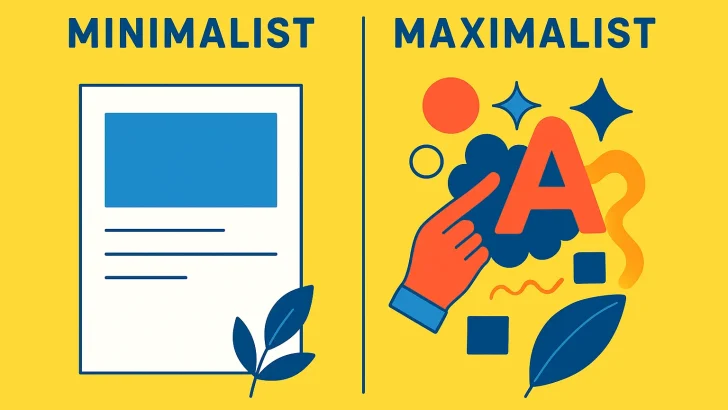
Discover the key differences between minimalist and maximalist design. Learn their strengths, weaknesses, and how to choose the right style for your brand or creative project.
Minimalist vs Maximalist Design: Which One Is More Effective?
When it comes to visual design, two styles often dominate the conversation: minimalism and maximalism. Both approaches have unique strengths and can be equally powerful when applied strategically. The question is: which one works better for your project, brand, or audience? Let’s break it down.
What is Minimalist Design?
Minimalism is about simplicity, clarity, and functionality. Think clean layouts, plenty of white space, limited color palettes, and carefully chosen typography. The goal is to remove all unnecessary elements and focus only on what truly matters.
-
Strengths of Minimalism:
-
Easy to read and navigate.
-
Conveys elegance, sophistication, and professionalism.
-
Works well for digital interfaces, luxury brands, and modern tech.
-
-
Weaknesses of Minimalism:
-
Can feel too plain or cold if not executed properly.
-
May lack personality for brands that want to appear bold or playful.
-
What is Maximalist Design?
Maximalism is the opposite of minimalism. It embraces complexity, boldness, and abundance. Expect vibrant colors, layered textures, diverse fonts, and dramatic compositions. The goal is to make a statement and capture attention instantly.
-
Strengths of Maximalism:
-
Full of energy, personality, and creativity.
-
Perfect for brands that want to stand out in crowded markets.
-
Appeals to audiences who enjoy visual richness and uniqueness.
-
-
Weaknesses of Maximalism:
-
Risk of overwhelming the viewer.
-
Harder to maintain consistency across different platforms.
-
Minimalist vs Maximalist Design: Choosing What’s Right for You
So, which design approach is more effective? The answer depends on your brand identity and target audience.
-
Choose Minimalism if your brand values simplicity, elegance, and clarity.
-
Choose Maximalism if your brand thrives on creativity, energy, and bold statements.
Sometimes, the most effective solution lies in the balance between both—using minimalist layouts with a touch of maximalist flair (such as bold typography or strong colors).
Typography in Minimalism and Maximalism
Fonts play a critical role in both styles:
-
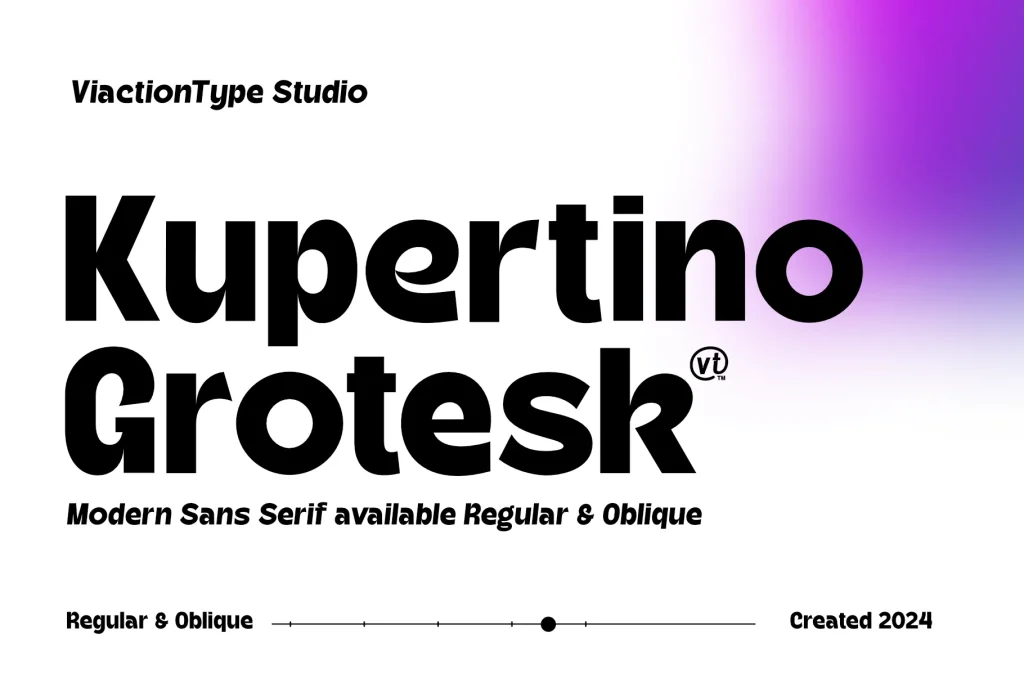
In minimalism, sans-serif fonts and clean lines dominate.
-
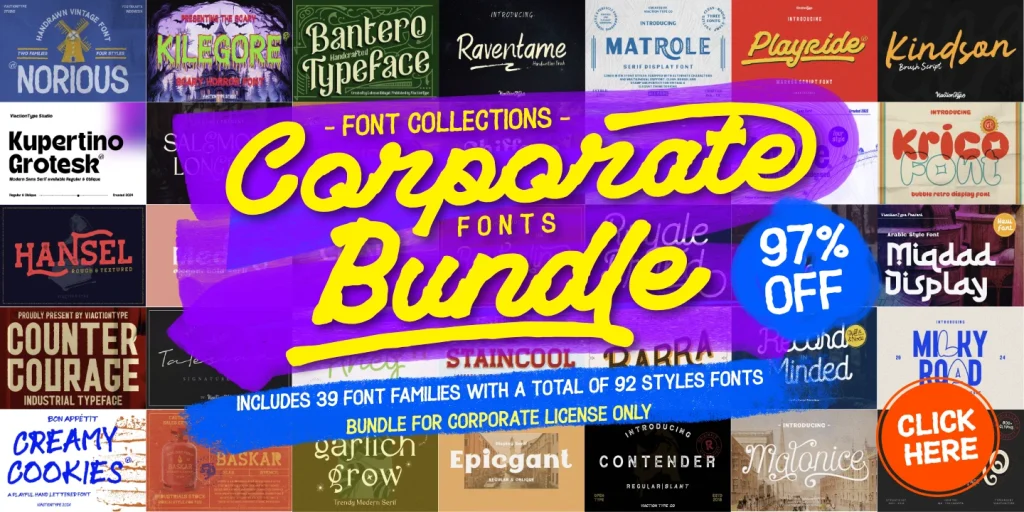
In maximalism, expressive and decorative fonts help amplify the boldness of the design.

Choosing the right font can make or break your design’s effectiveness.
Conclusion
Neither minimalism nor maximalism is “better” by default. The key is understanding your project’s goals and choosing a design style that resonates with your audience. By mastering both, you can create visual identities that are not only beautiful but also effective.