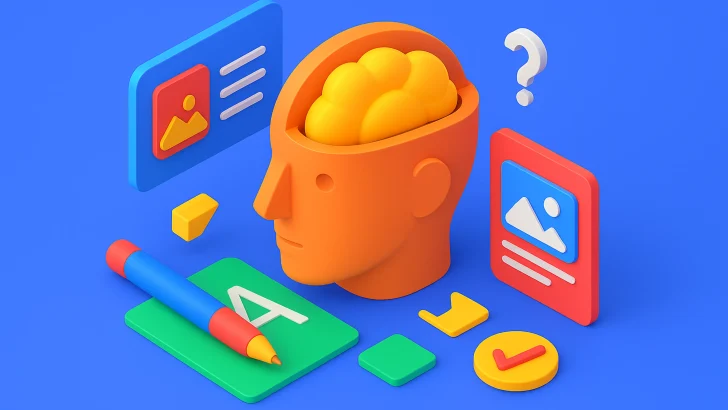
Explore the ethical challenges of AI-generated design. Learn how to balance creativity, originality, and responsibility when using AI tools in modern graphic design.
As AI tools rapidly become part of everyday design work, one pressing question emerges: How do we ensure originality and ethics in AI-generated design?
From logo concepts created in seconds to full illustrations generated from text prompts, artificial intelligence has blurred the line between inspiration and imitation. But with great power comes great responsibility — and designers, brands, and platforms must understand where to draw the line.
The Ethical Challenge of AI-Generated Design
AI models learn by analyzing massive datasets pulled from the internet — often including copyrighted artwork, photography, and typography. This raises important concerns:
-
Is AI-generated design truly original if it’s trained on existing human work?
-
Can designers claim ownership over AI-produced content?
-
Are we unknowingly copying another artist’s style without permission?
These questions are not just philosophical — they have legal and moral consequences.
Where Does Originality End and Automation Begin?
AI is excellent at replicating styles, but it doesn’t understand meaning or intent. An AI can mimic the look of a vintage poster or minimalist logo, but it doesn’t know why those design choices matter.
That’s where human creativity becomes essential.
| AI Strengths | Human Strengths |
|---|---|
| Speed, iteration, pattern replication | Emotion, storytelling, cultural awareness |
| Generating ideas from prompts | Choosing which idea reflects a brand’s identity |
| Style imitation | Strategy, ethics, and interpretation |
The key is not avoiding AI — but using it responsibly.
How to Use AI in Design Without Crossing Ethical Boundaries
Here are practical guidelines for staying ethical while leveraging AI:
-
Use AI as a starting point, not the final product.
Treat AI outputs as rough drafts to refine manually. -
Avoid copying specific artist names or styles in prompts.
Instead of “in the style of X designer,” try describing the mood or structure you want. -
Blend AI outputs with your own creativity.
Add custom typography, layout adjustments, or reinterpret visuals instead of using them as-is. -
Be transparent with clients when AI is involved.
Honesty builds trust — and protects you from legal risks.
The Future of AI Ethics in Design
AI isn’t going away — in fact, it will only get more powerful. But originality and ethics don’t disappear just because tools evolve.
The real question isn’t “Should we use AI?”
It’s “How do we use AI without losing artistic integrity?”
The answer lies in balance: Let AI enhance your workflow, but let human judgment, emotion, and accountabilitylead the final result.
Final Thought
Artificial intelligence can replicate style, but it can never replace soul. Ethical design isn’t just about what we can create — it’s about what we choose to create.