Learn how to create an effective design mood board. Discover step-by-step tips to turn inspiration into execution for branding, graphic design, and creative projects.
Creating a Design Mood Board: From Inspiration to Execution
In the world of visual design, ideas often start as scattered thoughts, random images, or fleeting inspiration. A mood board helps transform these fragments into a clear and structured creative vision. Whether you are working on branding, a website, or a graphic design project, a mood board is the perfect bridge between inspiration and execution.
What is a Mood Board?
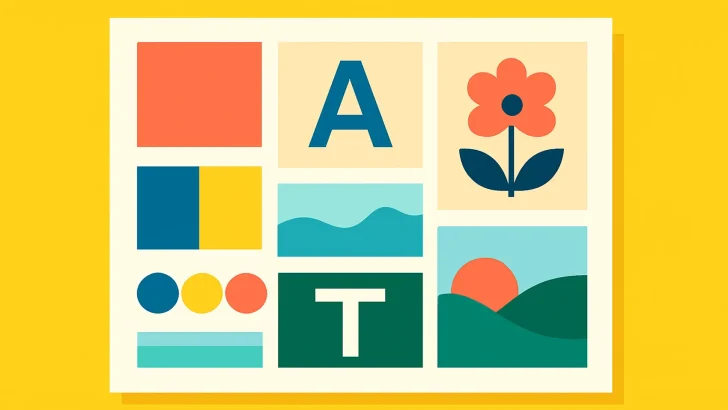
A mood board is a visual collage that brings together colors, images, fonts, textures, and design elements. It’s not just a collection of pretty pictures—it’s a powerful tool to define the mood, tone, and direction of your project.
Mood boards can be digital (using tools like Canva, Figma, or Pinterest) or physical (assembled from printed photos, magazines, or fabric samples). Both are effective in helping designers and clients visualize concepts before diving into actual execution.
Why Mood Boards Matter in Design
Creating a mood board saves time and avoids miscommunication. Here’s why they’re essential:
-
Clarify your vision: Collect ideas into a unified style.
-
Guide your design process: Set the tone before designing layouts, logos, or campaigns.
-
Align with clients or teams: Ensure everyone is on the same page before production.
Step-by-Step: How to Create a Mood Board
-
Define Your Goal
Start with a clear purpose. Is it for branding, social media, web design, or packaging? Knowing your end goal helps filter your choices. -
Gather Inspiration
Look for references from Pinterest, Behance, Dribbble, or real-world photography. Collect anything that resonates: colors, shapes, typography, or textures. -
Choose a Color Palette
Colors define emotion. Warm tones can feel energetic and playful, while neutral palettes lean towards elegance and minimalism. -
Select Typography
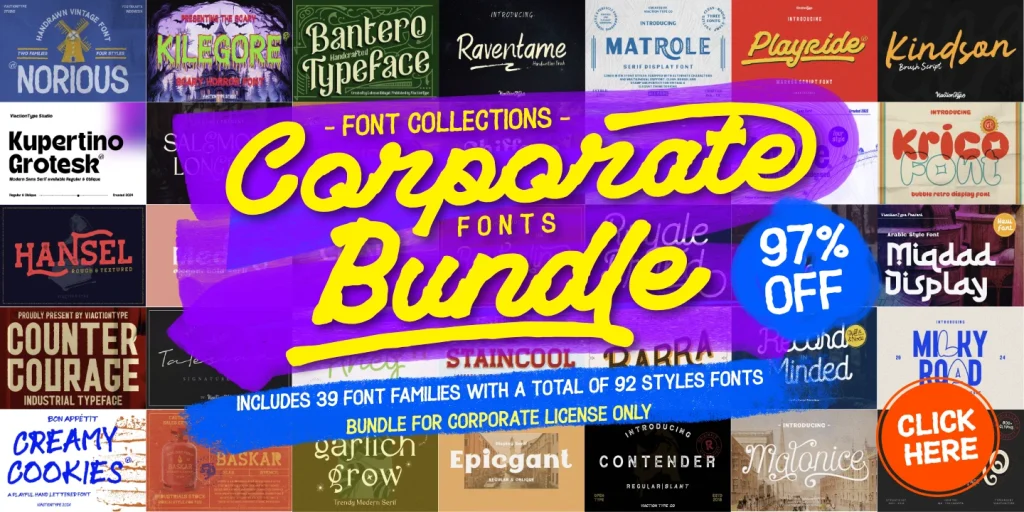
Fonts are crucial in mood boards. A clean sans-serif suggests modernity, while a bold display font conveys creativity and impact. -
Add Visual Elements
Incorporate illustrations, photography, icons, or patterns that represent the vibe you want to achieve. -
Organize and Refine
Arrange your mood board so it tells a story. Remove anything that feels inconsistent. The final board should look cohesive and intentional.
From Inspiration to Execution
A mood board is not the final design—it’s the blueprint. Once complete, it acts as a guide for creating logos, websites, brand guidelines, or marketing campaigns. Designers can confidently move from the conceptual phase to polished execution while staying true to the original vision.
Conclusion
A well-crafted mood board is more than a collection of visuals—it’s a strategic design tool. By carefully curating inspiration and organizing it into a coherent visual map, you ensure your project flows smoothly from concept to creation.